Ports in Mexico: A 2026 Risk & Efficiency Guide for Global Shippers
What Are the Main Shipping Ports in Mexico for China Imports?
The four primary container ports handling China–Mexico trade in 2026 are Manzanillo, Lázaro Cárdenas, Veracruz, and Ensenada. These hubs manage over 90% of Asian cargo inflow. However, operational risk, customs scrutiny (PAMA), and inland bottlenecks vary dramatically between them. For high-value or time-sensitive freight, the choice of port—or the use of a USA transloading alternative—now defines supply chain profitability.
I. The 2026 Reality: Why "Cheapest Freight" Is a Trap
In 2026, the shortest distance between China and your Mexican warehouse is no longer a straight line. With the Mexican port system handling a record 9.53 million TEUs in 2025, infrastructure has hit a operational ceiling. If you are booking space based on the lowest ocean rate into Manzanillo, you are likely exposing your business to demurrage spirals and customs attachment risks that far outweigh the initial savings.
Based on logistics cases observed in late 2025, shippers using direct Pacific routes reported an average of 20% higher inland costs due to congestion surcharges and truck gate-in delays that now frequently exceed 12 hours.
-
[Anchor Point: SEMAR 2025 Port Statistics Report]
II. The 2026 Mexico Port Risk Index
To help shippers navigate these choke points, we have developed this 2026 Risk Index based on throughput data and regulatory intensity.
#1 Manzanillo (MXZLO): The Gateway at Capacity
Manzanillo remains the core of shipping from China to Mexico, but its dominance has become its weakness. The port effectively hit its functional capacity in late 2025.
#2 Lázaro Cárdenas (MXLZC): The Industrial Shift
While absorbing Manzanillo's overflow, Lázaro Cárdenas is now a focal point for "Anti-Dumping" verification. Based on industry reports, suspicious metal shipments are frequently held for extended periods for chemical analysis to verify origin.
III. The 2026 Regulatory "Materiality" Shift
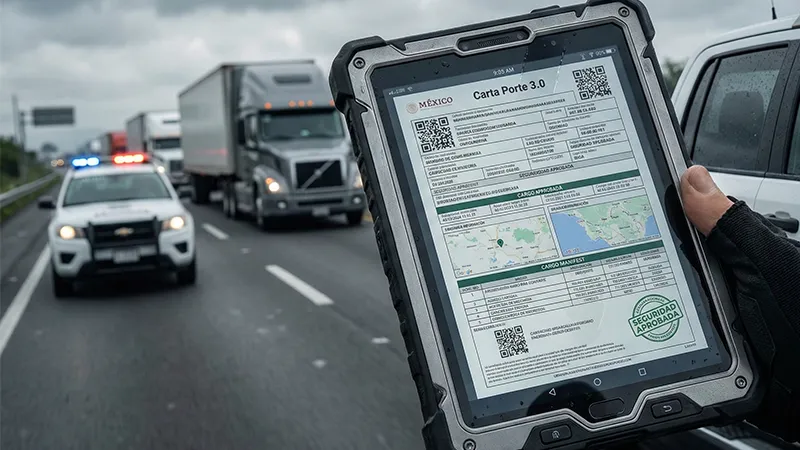
The January 1, 2026, Customs Law reform represents a paradigm shift. SAT authorities now prioritize "Materiality Verification" (Article 59).
1. The "Ghost" Supplier Trap
Importers must now maintain a digital dossier proving their foreign supplier has the physical capacity to produce the goods. Based on cases handled by customs attorneys in late 2025, recovery rates in PAMA-related seizures involving "address mismatches" or "shell entities" are often reported in the low double digits.
2. PAMA & Data Integrity
A single discrepancy between your CFDI (Digital Tax Receipt) and the physical weight or HS code is no longer treated as a clerical error. Such inconsistencies can trigger long-term enhanced scrutiny from SAT authorities, potentially freezing multiple import operations under the same tax ID.
-
[Anchor Point: SAT Master Plan 2026 for Foreign Trade]
IV. Decision Matrix: Route A (Direct) vs. Route B (Zbao US Transload)

For shipments destined for Monterrey, Mexico City, or Amazon FBA hubs, route choice is your primary risk-management tool.
The Route B Advantage: By utilizing the Port of Los Angeles/Long Beach and transloading into Bonded (In-Bond) Trucking, cargo bypasses the intense seaport campaigns. This route is particularly effective for Amazon FBA shipping cost optimization, as it avoids the demurrage costs that accumulate during Mexican port inspections.
V. Security and Compliance: Professional Risk Mitigation
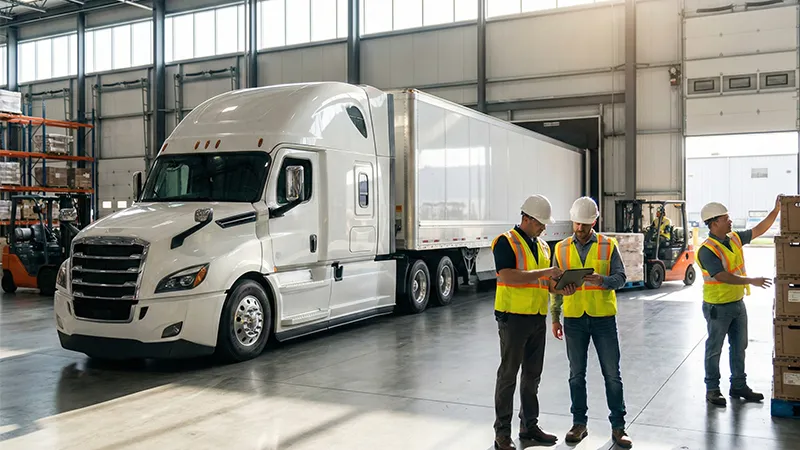
Security in 2026 is no longer an optional add-on, it is a fiduciary requirement. For high-value commodities like electronics or specialized steel, we recommend enhanced security protocols and specialized insured convoy arrangements. This is not only about theft prevention but also about maintaining trade compliance and ensuring your cargo does not become part of a "simulation" investigation by National Guard units during transit.
VI. FAQ: Navigating 2026 Trade Friction
Q1: How does the new 50% tariff impact Chinese goods?
According to the December 2025 decree, 1,463 product categories—including steel, aluminum, and textiles—face up to 50% duties if imported from non-FTA countries. Attempting to misclassify these goods can trigger sustained heightened scrutiny.
Q2: Is Route B (via USA) legally compliant for Mexico delivery?
Yes. Route B is a legitimate transshipment model. By using In-Bond transport, you defer duties until the cargo reaches its final destination in Mexico, provided all Carta Porte 3.0 data is pre-audited for accuracy.
Q3: Why are my port dwell times at Manzanillo increasing?
In 2026, SAT has intensified "Estimated Price" audits. If your declared value is significantly below SAT reference points, expect a minimum 10-day delay for mandatory value testing or lab analysis.
-
[Anchor Point: USMCA 2026 Review & Regional Content Updates]
VII. Conclusion: Make Informed Logistic Decisions
In the 2026 trade environment, "moving the box" is the easy part—managing the regulatory and operational risks surrounding that box is where profitability is won or lost. Whether you require the scale of direct ocean freight or the surgical precision of a US transloading bridge, your strategy must be data-driven.
Strategic Route Assessment:
If you are currently planning a China–Mexico shipment in 2026 and need a detailed Route Risk Assessment (Direct vs. US Land-Bridge), our team can provide a comprehensive pre-shipment compliance and cost model before you book space.


